Diagnosis and treatment for endometriosis and pelvic pain

Conditions treated
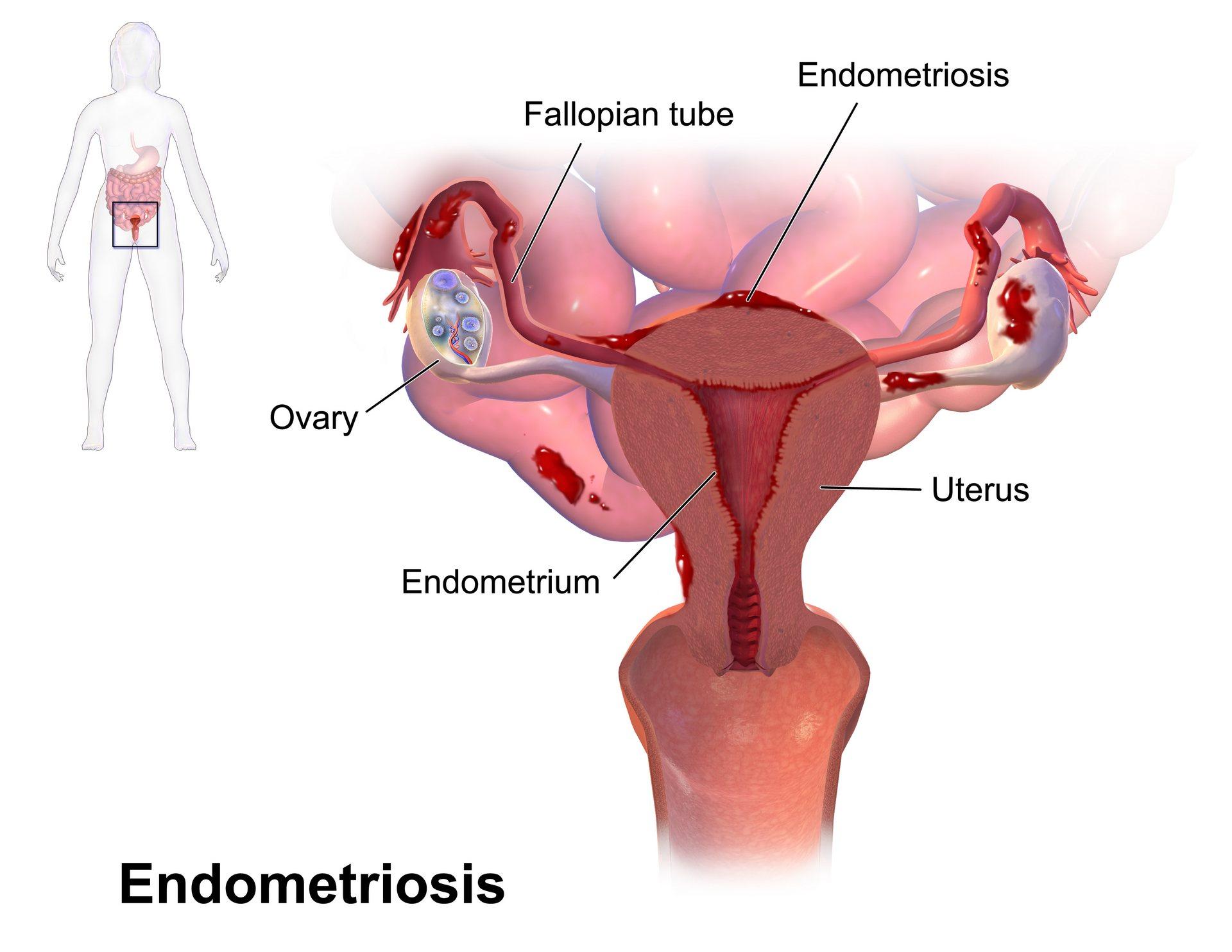
Deep endometriosis
- What it is:
- Tissue similar to the lining of the uterus, growing deep within the pelvic organs.
- Symptoms:
- Severe period pain, pain during intercourse, pelvic pain between periods.
- Treatment:
- Medication or complete removal of the lesions through minimally invasive surgery.
Investigations
Mapping ultrasound
Finds and measures endometriosis lesions.
Dedicated pelvic MRI
A complete picture of the pelvis, for planning.
Pelvic neurological examination
Shows whether the pain comes from a nerve.
Treatments

Medication
Hormonal treatment (progestins, contraceptive pills or medicines that temporarily stop the cycle) reduces lesion activity and pain. When needed, anti-inflammatories and medication for nerve-type pain are added. It does not remove the lesions, but it can keep the disease under control in the long term and is adjusted at every check-up.
When it's recommended: Mild or moderate symptoms.
Recovery: No hospital stay.
Laparoscopy
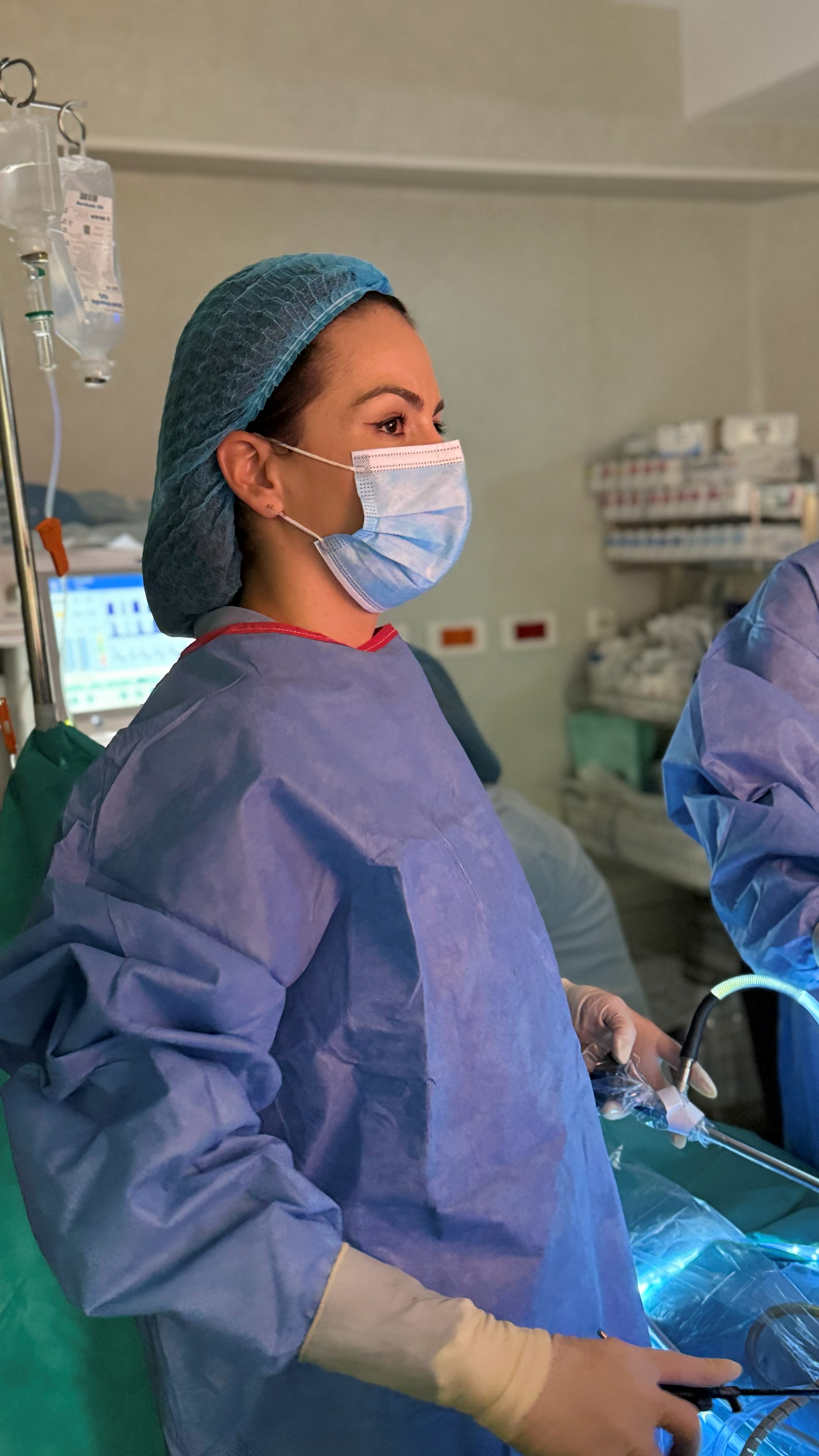
The operation is performed through a few small incisions, using a camera that magnifies the image. It confirms the diagnosis and allows complete removal of endometriosis lesions, ovarian cysts and adhesions, preserving the organs and fertility whenever possible.
When it's recommended: Lesions that cause pain or affect organs.
Recovery: Small incisions, quick return to normal.
Robotic surgery
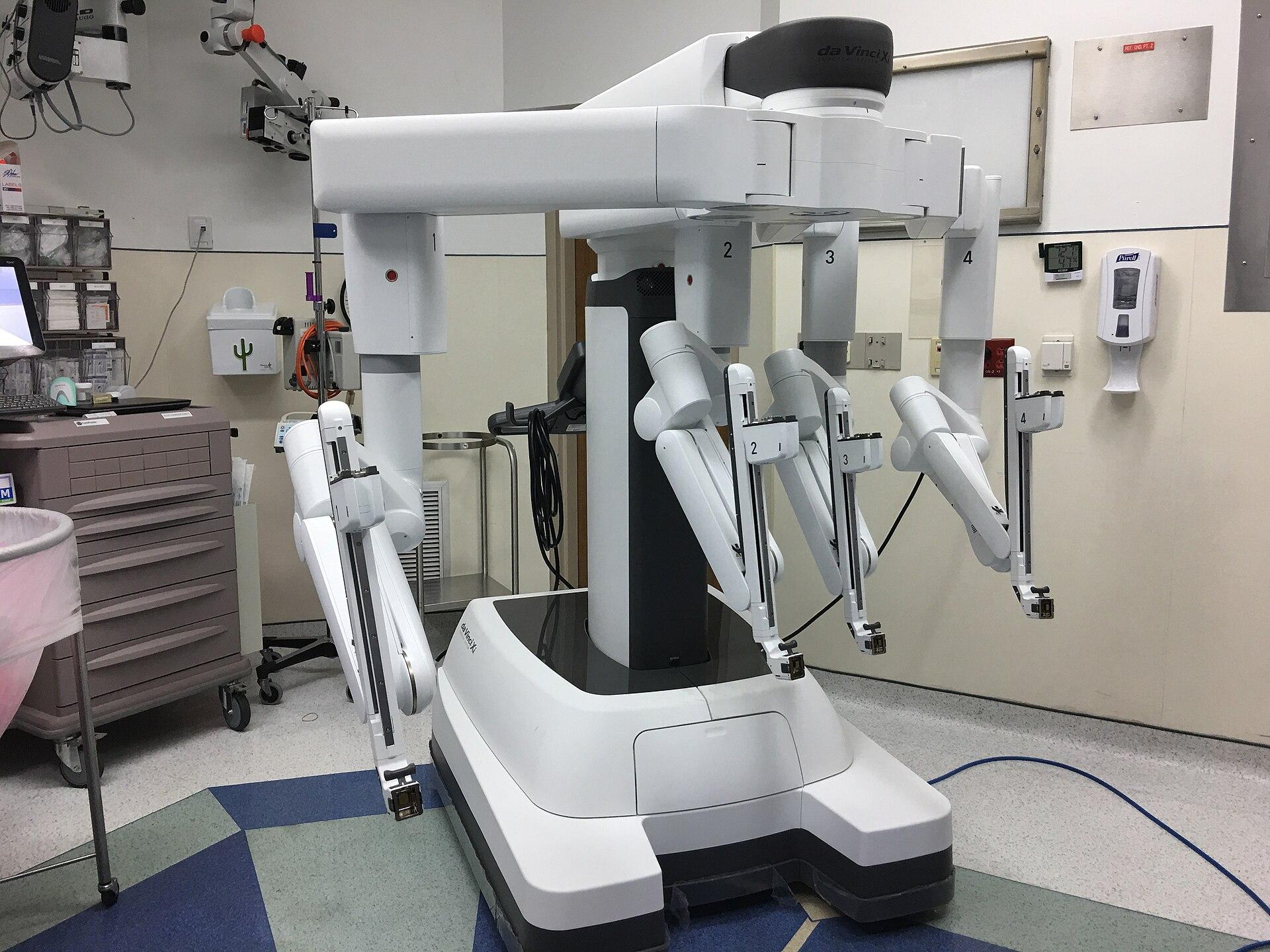
The surgeon controls articulated robotic arms from a console, with a magnified 3D image. This precision helps remove nodules from the narrow spaces of the pelvis, next to the bowel, bladder, ureter and nerves, while protecting blood vessels and nerves.
When it's recommended: Complex cases, hard-to-reach lesions.
Recovery: Similar to laparoscopy, with high precision.
Nerve release
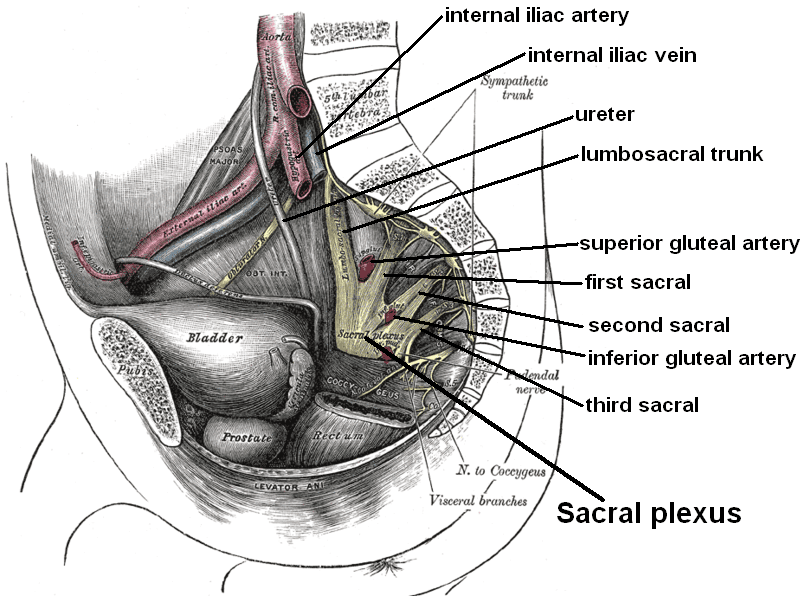
When endometriosis, an adhesion or scar tissue traps a pelvic nerve (for example the pudendal nerve or the roots of the sciatic nerve), the nerve is released laparoscopically using the neuro-navigation technique (LANN). Before surgery, the cause is confirmed by a neurological examination of the pelvis and targeted investigations.
When it's recommended: Persistent pain of nerve origin.
Recovery: Gradual, with careful follow-up.
When the pain comes from the nerves
Deep endometriosis can affect the pelvic nerves directly or indirectly, through infiltration, compression or irritation. Depending on the structures involved, pain may radiate to the buttocks, the legs, or the genital or perineal area, sometimes with tingling, numbness or muscle weakness.
Nerve structures that may be affected:
- Sacral plexus – pain in the buttock, the perineum or the leg, depending on the nerves involved.
- Sciatic nerve – pain radiating from the buttock down the back of the leg, sometimes with numbness or muscle weakness.
- Pudendal nerve – pain, burning or tingling in the genital, perineal or anal area, often worse when sitting.
- Obturator nerve – pain on the inner thigh, sometimes with difficulty bringing the thighs together.
- Inferior hypogastric plexus – may be involved in disorders of bladder, bowel and sexual function.
These symptoms do not automatically mean nerve involvement caused by endometriosis. A neuropelveological assessment helps investigate the possible mechanisms of pain and guide diagnosis and treatment.
If surgery is needed
- 01
Preparation
Tests, an anaesthetic consultation and clear explanations.
- 02
The day of surgery
Minimally invasive surgery and monitoring.
- 03
Recovery
Getting up quickly and follow-up check-ups.